Debunking Myths: Common Misconceptions About Intuitive Eating


Understanding Intuitive Eating
Intuitive eating is often misunderstood, with many misconceptions surrounding its principles. This approach encourages individuals to trust their body's cues and make peace with food, moving away from traditional dieting methods.

Myth 1: Intuitive Eating Is Just Eating Whatever You Want
A common misconception is that intuitive eating means eating anything at any time without considering health. While it emphasizes freedom from restrictive diets, it also involves tuning into hunger and fullness signals, and making choices that honor both health and taste preferences.
Intuitive eating is about finding balance, not indulgence. It encourages a healthy relationship with food by promoting mindful eating and self-care.
Myth 2: Intuitive Eating Disregards Nutrition
Another myth is that intuitive eating ignores nutritional value. In reality, one of its core principles is "gentle nutrition." This means making food choices that satisfy health needs while still respecting what the body craves.
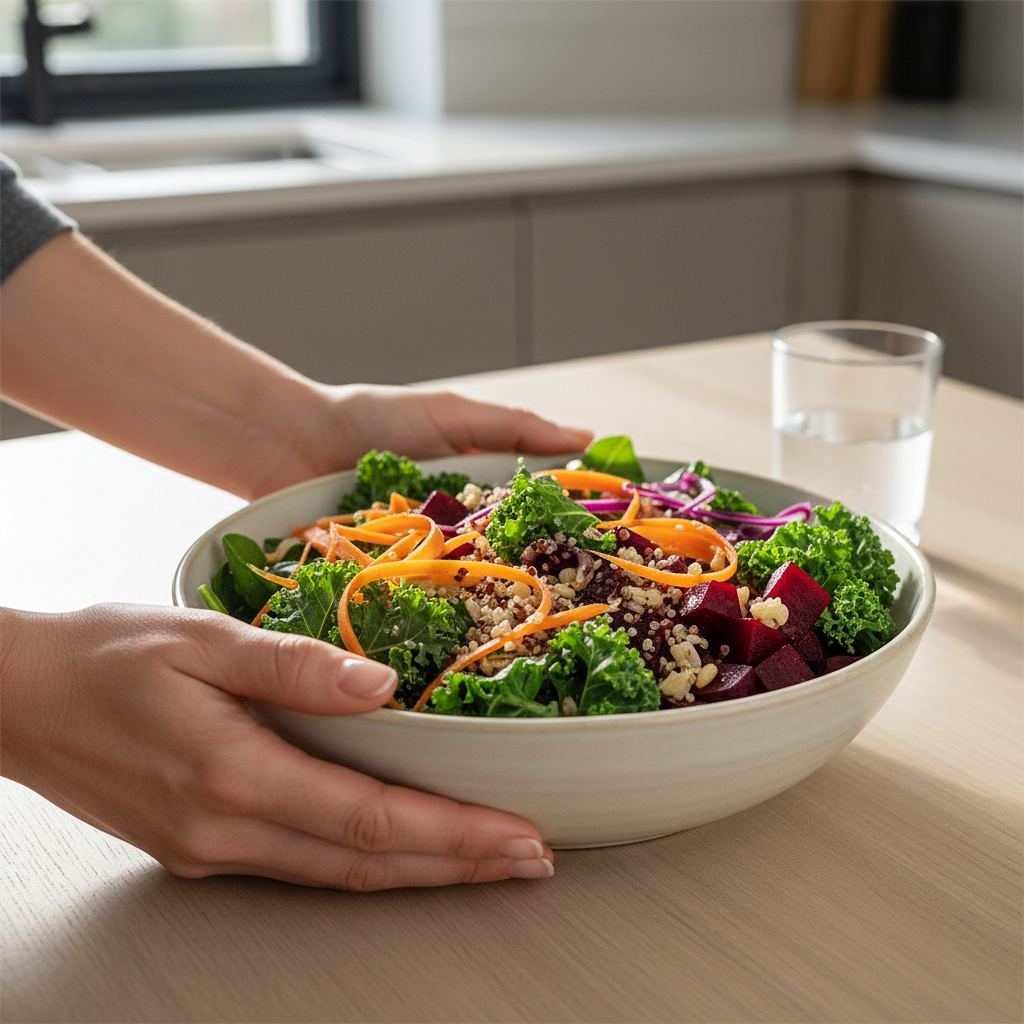
Intuitive eating encourages learning about nutrition in a way that doesn't involve strict rules or deprivation. It's about nourishing your body with a variety of foods, not adhering to a rigid plan.
Myth 3: It's Only for People Who Don't Have Weight Issues
Some believe intuitive eating is only suitable for those without weight concerns. However, it is beneficial for individuals of all sizes and shapes. It focuses on body acceptance and rejecting the diet mentality, which can be freeing for anyone struggling with body image.
By focusing on internal cues rather than external expectations, intuitive eating can help improve self-esteem and body positivity.

Myth 4: Intuitive Eating Lacks Structure
Many perceive intuitive eating as lacking structure, but it actually involves a set of principles designed to foster a healthier relationship with food. These principles offer a flexible framework to guide individuals, rather than a rigid set of rules.
This approach helps individuals cultivate a sense of trust in their bodies and develop sustainable, lifelong habits. The perceived lack of structure is, in fact, an opportunity for personalized guidance.
The Benefits of Embracing Intuitive Eating
By debunking these myths, it's clear that intuitive eating is a balanced, thoughtful approach to food. It empowers individuals to listen to their bodies, respect their needs, and find joy in eating.
Embracing intuitive eating can lead to improved mental well-being, reduced stress around food, and a more holistic approach to health. It encourages a positive relationship with food and body, which is essential for long-term wellness.