How Intuitive Eating Can Help Overcome Overeating


Understanding Intuitive Eating
Intuitive eating is a revolutionary approach to food and nutrition that focuses on listening to your body's natural hunger cues. Unlike traditional diets that impose strict rules, intuitive eating encourages individuals to eat when hungry and stop when full, promoting a healthier relationship with food.
This approach is grounded in the belief that our bodies inherently know what they need. By tuning into these signals, individuals can break free from the cycle of overeating and find a more balanced way of nourishing themselves.

The Principles of Intuitive Eating
Intuitive eating is based on ten core principles, each designed to foster a positive and mindful relationship with food. Some of these principles include:
- Rejecting the diet mentality: Letting go of the idea that you must follow a specific diet to be healthy.
- Honoring your hunger: Paying attention to your hunger signals and eating accordingly.
- Making peace with food: Allowing yourself to eat all types of food without guilt.
How Intuitive Eating Addresses Overeating
One of the main benefits of intuitive eating is its ability to help individuals overcome overeating. By focusing on hunger cues and emotional triggers, intuitive eating encourages mindfulness around meals.
Overeating often stems from emotional needs or restrictive diets. By rejecting diet culture, individuals can enjoy food without the fear of overindulgence, leading to a more balanced intake.
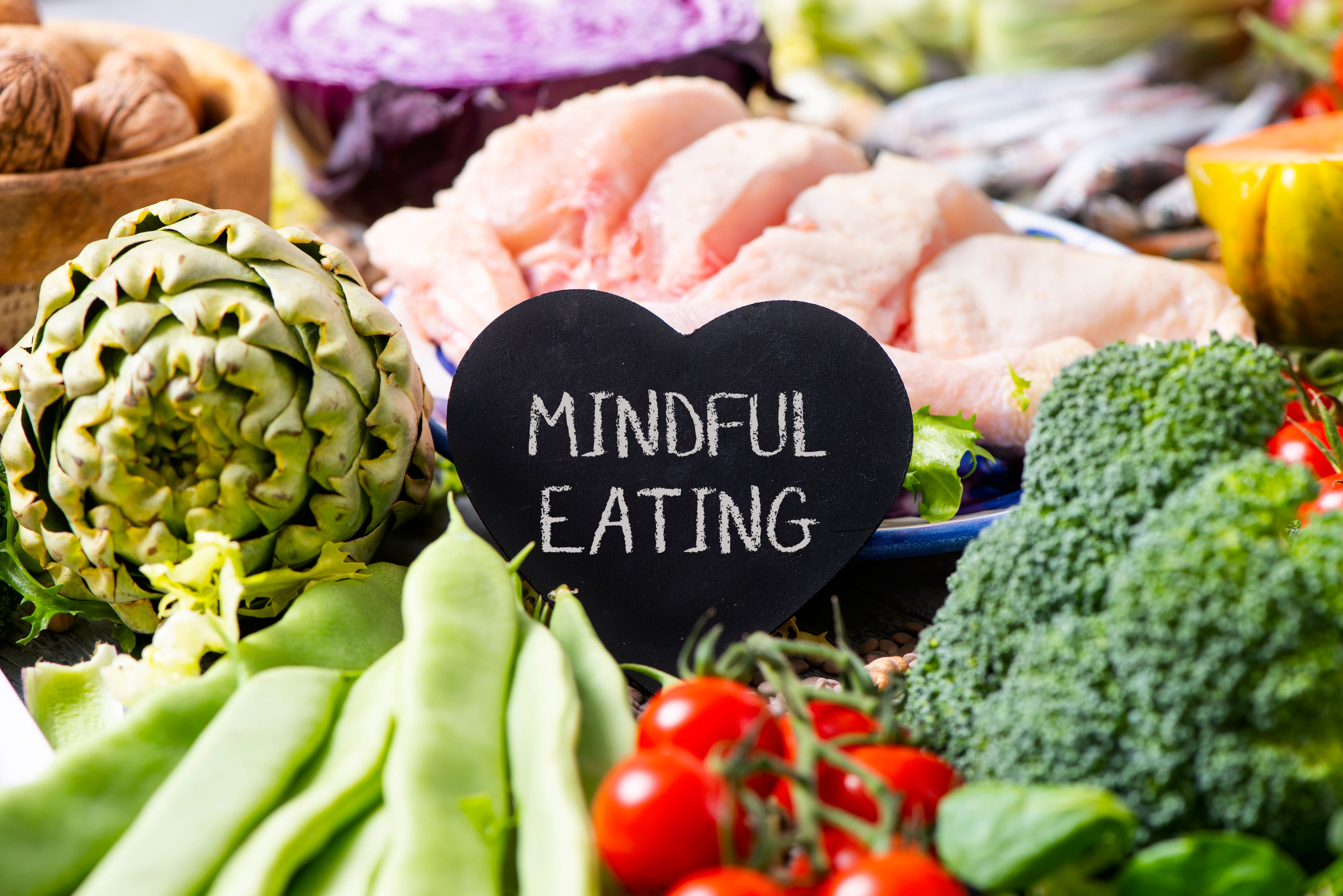
Benefits Beyond the Plate
Intuitive eating offers advantages that extend beyond eating habits. It promotes mental and emotional well-being by freeing individuals from the guilt and stress associated with dieting.
By embracing this approach, people often experience increased self-esteem and body positivity. This holistic improvement in mental health can lead to a more fulfilled and balanced life.
Steps to Start Intuitive Eating
Embarking on an intuitive eating journey requires patience and self-compassion. Here are some steps to get started:
- Learn about the principles of intuitive eating and understand their benefits.
- Start listening to your body's hunger and fullness cues.
- Practice mindful eating by focusing on the taste and texture of food.

Overcoming Challenges
Transitioning to intuitive eating can be challenging, especially for those accustomed to dieting. It's essential to approach this change with an open mind and be patient with yourself.
Seeking support from a nutritionist or joining intuitive eating communities can provide guidance and encouragement. Remember, the goal is to create a sustainable and healthy relationship with food.